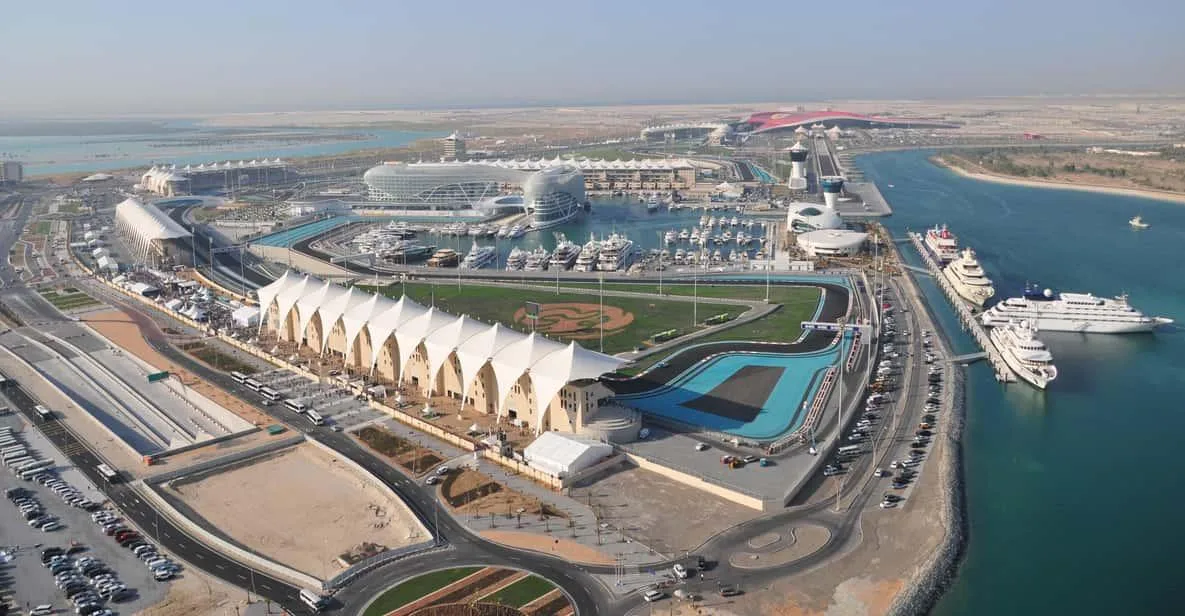
While Dubai has dominated many headlines, Abu Dhabi’s property market delivered some of the UAE’s strongest growth during the first half of 2026. Transaction values more than doubled across several key measures, prices continued to rise at double-digit rates in most segments, and foreign investment increased sharply. At the same time, a large pipeline of new homes is expected over the next few years, which could slow the pace of future growth.
Here is a clear, data-driven overview of the market.
Transaction Activity: Major Growth in H1 2026
Abu Dhabi’s total real estate transactions reached approximately AED 117 billion in H1 2026, up 112% year-on-year, while transaction volumes increased 61.7%. Sales transactions alone reached AED 86.1 billion across 16,838 deals, representing a 163.7% increase in value.
Looking specifically at residential property, figures from Cavendish Maxwell, ADREC, and other sources show a similar trend:
- Residential sales values ranged from AED 67.8 billion to AED 70.4 billion (around $18.5–19.2 billion), representing growth of 178% or more compared with H1 2025.
- Residential transaction volumes roughly doubled, reaching around 15,500–16,500 deals, depending on the source and data scope.
Off-plan properties dominated the market, representing 82–89% of residential transaction volume and value in most reports. Ready-property sales were much smaller but still recorded value growth in some datasets.
Foreign direct investment in Abu Dhabi property reached AED 13.8 billion in H1 2026, up 309% year-on-year and already above the full-year 2025 figure. Investors from 116 nationalities took part. Resident expatriates and non-resident foreign buyers together accounted for about 70% of residential sales value. Emirati buyers also increased their investment, reaching around AED 21 billion.
Major activity areas included Al Hudayriyat Island, which led by value in several reports at around AED 19 billion, while Al Reem Island often recorded the highest transaction volume. Saadiyat Island, Yas Island, and Al Maryah Island also remained major investment locations.
Property Prices: Double-Digit Growth Continues
Property prices continued to rise during H1 2026, although some areas saw slower growth during Q2:
- Apartment prices increased by around 16–20% year-on-year on average, with some reports showing growth of 16.4% or more.
- Villa prices increased by approximately 10–12% overall, although results varied considerably between communities.
Several locations recorded particularly strong growth:
- Apartments on Yas Island and Al Reem Island increased by around 18% annually.
- Al Saadiyat Island remained Abu Dhabi’s premium residential market, with apartment prices reaching around AED 43,100 per sq m in one Knight Frank report, up about 21%.
- Villas on Al Jubail Island recorded growth of around 40% in some datasets.
- Al Reem Island villas were an exception, with some reports showing price declines.
Across wider datasets, apartment median prices reached around AED 1,808–1,927 per sq ft at different points during the year. ValuStrat reported that overall freehold residential values increased by around 17.8% year-on-year in Q2.
Rental Market and Investment Yields
Rents also increased, although growth was slower than sales prices across many segments:
- Apartment rents increased by around 9.4% year-on-year in H1.
- Villa rents increased by nearly 4%.
- Active residential lease contracts reached around 233,000, with total lease values of AED 9.3 billion, up 8%.
A temporary rent freeze introduced in early June 2026 is expected to limit further rent increases in the short term.
Gross rental yields remain attractive, especially in affordable and mid-market communities. Some reports show yields reaching around 8.9% for apartments in areas such as Al Reef. Masdar City recorded yields in the mid-to-high 7% range, while luxury areas generally produced lower returns of around 5–6%. In general, value-focused communities offer higher yields than premium waterfront locations.
Supply Pipeline: The Main Factor to Watch
Abu Dhabi’s residential stock stood at approximately 323,600–409,000 units by mid-2026, depending on the definition used, such as completed stock or broader market measures. Around 5,700 units were delivered during H1, while another 10,500 were expected by year-end.
Looking ahead:
- Around 17,300 units are projected for 2027 and 26,000 for 2028 in one detailed forecast.
- Total additional supply could reach around 53,000–71,000 units through 2028–2030.
- Annual deliveries are expected to peak at around 21,800 units in 2028.
- Six areas, including Saadiyat, Reem, Yas, Zayed City, Khalifa City, and Hudayriyat, are expected to account for much of the new supply.
This pipeline is large compared with existing stock and could reduce the pace of price and rental growth in the coming years, even if demand remains strong. However, actual handovers often fall below initial delivery forecasts, which could reduce the short-term impact of new supply.
Abu Dhabi Property Market Outlook for H2 2026
Abu Dhabi’s property market in 2026 has been defined by:
- Strong off-plan demand and rising international participation.
- Continued double-digit price growth, although some Q2 indicators show moderation.
- Strong economic fundamentals supported by diversification, government investment, and expanding freehold and investment-zone options.
- A more controlled rental market following the temporary rent freeze.
Compared with Dubai’s larger transaction volumes and more mature market cycle, Abu Dhabi has recorded faster percentage growth from a smaller base and has a much stronger dependence on off-plan sales. This creates opportunities for investors but also increases delivery and supply-absorption risks.
For investors, current data supports continued interest in well-located freehold communities, especially areas with limited competing supply or strong infrastructure and lifestyle demand. Saadiyat, selected Yas and Hudayriyat projects, and established Reem properties remain worth considering. Yield-focused investors may find better opportunities in mid-market and emerging communities. The project itself still matters more than the city-wide average, so investors should check developer history, payment terms, service charges, expected rent, and realistic net yield before buying.
Abu Dhabi enters the second half of 2026 with strong market momentum, but future supply deserves closer attention. Investors should track quarterly transaction data, actual handovers, and real rental transactions in their target communities to understand how the market is changing.
 Amoli
Amoli
 Vaishali M