Jebel Ali is a large coastal district in southwest Dubai. It sits along Sheikh Zayed Road (E11), between Dubai Marina and the Dubai-Abu Dhabi border. It is not one residential community. It is a large mixed-use area with Jebel Ali Port, Jebel Ali Free Zone (JAFZA), industrial areas, older homes, and new housing projects.
The area has changed a lot over the years. Jebel Ali was once known mainly for its port and industrial activity. Today, it also has modern apartments, villas, townhouses, shopping centres, and major waterfront projects.
Its strong business base remains a key advantage. JAFZA supports more than 135,000 jobs in the UAE. New investment in 2026 continues to support manufacturing, logistics, healthcare and other industries.
For buyers and investors, Jebel Ali offers good property prices, strong job demand, easy metro access, and major new projects.
Jebel Ali Development Background and Master Plan Vision
Jebel Ali first grew around its port and industrial economy. Jebel Ali Port became a major trade hub, while JAFZA was established in 1985. Together, they created a large centre for trade, logistics and business.
Residential development grew around this economic base.
One major example is Jebel Ali Village. It has been redeveloped as a low-density residential community with villas, townhouses, parks and open spaces. The master plan covers about 80 hectares. It has jogging and cycling paths, swimming pools, kids’ play areas, sports courts, and other useful facilities.
Another key development is Wasl Gate. The project covers about 1.13 million square metres. It is planned to include around 7,000 homes, retail, hotels, parks, restaurants and other community facilities.
Jebel Ali therefore offers two main types of residential living:
- Family-focused living: Jebel Ali Village and nearby villa communities.
- Modern urban living: Wasl Gate, Downtown Jebel Ali and other apartment projects.
The wider vision is clear. Jebel Ali is growing from an industrial area into a well-planned place to live, work, and enjoy the waterfront
Jebel Ali Location and Connectivity
Location is one of Jebel Ali’s biggest strengths.
Sheikh Zayed Road
Sheikh Zayed Road runs through the district. It connects Jebel Ali with Dubai Marina, Jumeirah Lakes Towers, Dubai Internet City, Downtown Dubai and other major areas.
The road also provides direct access towards Abu Dhabi. This makes Jebel Ali useful for people who work or travel between Dubai and Abu Dhabi.
Dubai Metro
Jebel Ali is connected to the Dubai Metro Red Line. Jebel Ali Metro Station also connects with Route 2020.
Route 2020 runs about 15 kilometres from Jebel Ali towards Expo City. It serves areas such as The Gardens, Discovery Gardens, Al Furjan, Dubai Investment Park and Expo City.
Other stations serving the wider Jebel Ali area include Energy, Danube, Ibn Battuta and Life Pharmacy. Access depends on the exact location of the property.
For residents who do not drive, metro access is a major benefit.
Airports
Jebel Ali has good road access to Al Maktoum International Airport (DWC). The drive can take around 20–30 minutes, depending on traffic and the location of the property.
Dubai International Airport (DXB) is farther away and can take around 40 minutes or more by car.
DWC is becoming more important to the area. Dubai is developing a new AED 128 billion passenger terminal at Al Maktoum International Airport. The completed airport is planned to handle more than 260 million passengers a year. The first major phase is expected in the early 2030s.
Property Types and Prices in Jebel Ali in 2026
Jebel Ali has several property markets, so prices can vary widely.
Bayut data puts the average sale price across Jebel Ali at about AED 1,438 per sq. ft. in June 2026. Apartment prices are lower than those of premium villas.
Apartments
Apartments are popular with investors, professionals and smaller families.
Typical 2026 price ranges include:
- Studio: AED 500,000–750,000
- 1 bedroom: AED 750,000–1.4 million
- 2 bedroom: AED 1.3–1.9 million
- 3 bedroom: AED 1.8–2.5 million+
Prices depend on the building, size, age, views and proximity to the metro. Newer freehold projects and homes close to transport links usually command higher prices.
Townhouses
Townhouses are mainly found in communities such as Jebel Ali Village and Gardenia Townhomes.
Jebel Ali Village offers three- and four-bedroom townhouses. Typical sizes range from about 2,882 to 3,386 sq. ft.
In the 2026 resale market, premium Jebel Ali Village townhouses can broadly cost:
- 3-bedroom: AED 4.4–5.5 million
- 4-bedroom: AED 5.8–7.5 million
The final price depends on plot size, condition, location and views.
Villas
Large villas sit at the top end of the Jebel Ali market.
In Jebel Ali Village, larger independent villas can range from about AED 9 million to AED 15 million+.
This segment is better suited to families and long-term buyers than investors focused mainly on rental yield.
Jebel Ali Rental Market and Investment Yields
Rental demand is one of Jebel Ali’s main investment strengths.
Property Finder reports average annual rents of roughly:
| Property | Average Annual Rent |
| Studio | AED 51,000 |
| 1 bedroom | AED 69,000 |
| 2 bedroom | AED 90,000 |
| 3 bedroom | AED 134,000 |
These are area-wide figures. Actual rent depends on the building, unit quality and location.
Bayut’s June 2026 rental index shows an average of about AED 102 per sq. ft. across Jebel Ali. The figure was down from AED 116 per sq. ft. over the previous year.
This does not mean rents are falling everywhere. Jebel Ali has both older buildings and new projects, so performance can differ from one property to another.
Expected Rental Yield
A well-chosen apartment can deliver a gross rental yield of around 7%–9%. Some properties may achieve more, depending on the purchase price and rent.
Bayut has reported apartment ROI of about 7.65% for Jebel Ali. Other 2026 market estimates put some Downtown Jebel Ali apartments at around 7.9%–9%.
Villas and townhouses usually offer lower yields, often around 5%–6.5% gross. However, they can generate higher rental income in absolute terms.
Investors should focus on net yield. Service charges, repairs, vacancy, management fees and mortgage costs can reduce the final return.
Schools and Education
Jebel Ali has access to several schools and nurseries. More options are available in nearby communities.
Schools serving the area include:
- The Winchester School – UK curriculum.
- Jebel Ali School – British curriculum.
- Delhi Private School Dubai – Indian curriculum.
- Greenfield Community School – IB curriculum in the wider Dubai Investment Park area.
There are also nurseries around Jebel Ali, Discovery Gardens and nearby districts.
For families, school distance matters. A home in Jebel Ali Village may have a very different daily school journey from an apartment near Downtown Jebel Ali.
Healthcare Facilities
Healthcare access is another practical advantage.
Residents have clinics and hospitals in and around Jebel Ali. These include Aster Cedars Hospital, clinics in the area and medical facilities serving JAFZA.
NMC Royal Hospital in Dubai Investment Park provides another option nearby.
For families, having healthcare close to home can be more useful than living close to entertainment. For highly specialised care, residents may still need to travel to larger medical centres elsewhere in Dubai.
Who Lives in Jebel Ali?
Jebel Ali attracts a mix of residents and investors.
Families
Families tend to prefer Jebel Ali Village and townhouse communities. Larger homes, green spaces, schools and sports facilities are key attractions.
The downside is the higher cost compared with apartments.
Professionals
Professionals who work in JAFZA, Jebel Ali Port, Dubai South, DIP, and nearby business areas can enjoy shorter daily commutes.
Apartments near metro stations are especially useful for single professionals and couples.
Investors
Investors often focus on studios and one- or two-bedroom apartments. These units need less capital than villas and can offer stronger rental yields.
The best opportunities usually combine a good purchase price, metro access and steady tenant demand.
Infrastructure and Future Growth
Infrastructure is a major part of the Jebel Ali investment story.
Al Maktoum International Airport
The DWC expansion is one of the area’s biggest long-term growth factors. The airport is planned to become a major global aviation hub, with capacity of more than 260 million passengers a year.
This could support demand in Dubai South, JAFZA, logistics and nearby residential areas.
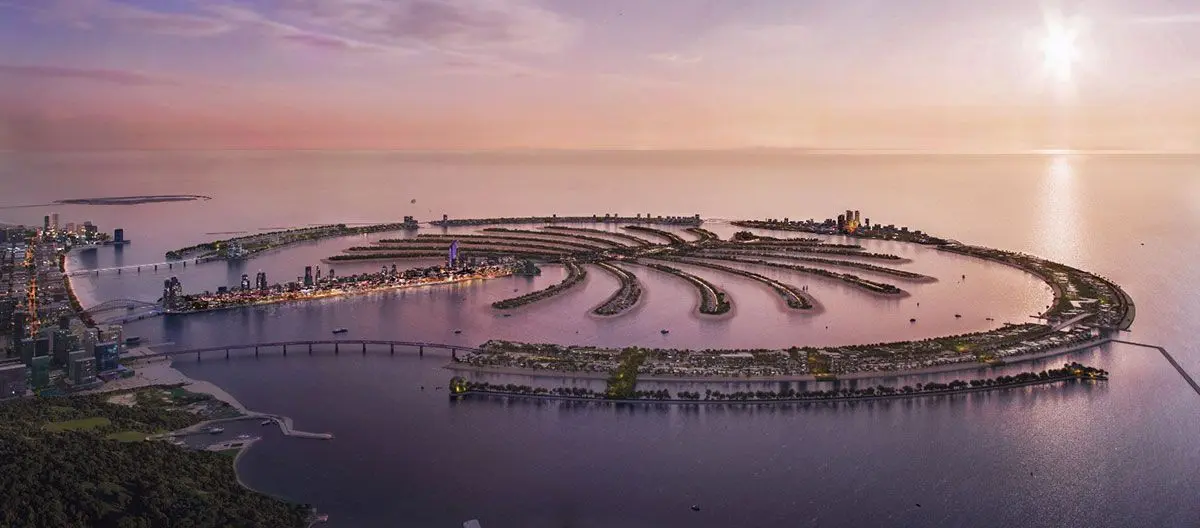
Palm Jebel Ali
Palm Jebel Ali is another major project changing the area. New villas, townhouses and beachfront residences are being developed.
In June 2026, Nakheel launched 222 new homes at Palm Central Private Residences. The homes include apartments and townhouses.
The project could give Jebel Ali a stronger waterfront identity and add new demand for nearby homes and services.
Transport Expansion
Route 2020 has already improved access to southern Dubai. Its connection with the Red Line makes Jebel Ali easier to reach without a car.
Further investment in transport, airports and surrounding communities should strengthen the area’s long-term position.
Is Jebel Ali a Good Place to Invest or Live in 2026?
Jebel Ali is a strong option for buyers seeking rental income, connectivity and long-term growth.
For investors, apartments near metro stations and employment centres offer the clearest opportunity. Entry prices can be lower than in many central Dubai locations, while JAFZA and nearby business hubs support rental demand.
For families, Jebel Ali Village and newer townhouse communities offer more space, parks and community facilities. The trade-off is a higher purchase price.
Jebel Ali is a good fit if you want:
- Easy access to Sheikh Zayed Road
- Metro connectivity
- Close access to JAFZA and major job centres
- More affordable entry prices than prime Dubai areas
- Family-focused villa and townhouse communities
- Nearby malls and retail
- Long-term exposure to DWC and Palm Jebel Ali
- Potential apartment yields of around 7%–9%
Final Summary
Jebel Ali Dubai in 2026 is a district with strong growth potential. Its port and logistics role remains important, but the area is becoming much more residential.
Apartments offer the easiest entry point for investors and professionals. Townhouses and villas are better suited to families and long-term owners. Jebel Ali Village focuses on family living, while Wasl Gate and Downtown Jebel Ali offer a more urban apartment lifestyle.
Connectivity is another major advantage. Sheikh Zayed Road links Jebel Ali with Dubai and Abu Dhabi, while the metro connects it with the wider city.
The planned growth of Al Maktoum International Airport and Palm Jebel Ali adds another layer of long-term potential.
For buyers, the key is to compare individual communities rather than view Jebel Ali as one market. For investors, purchase price, metro access, service charges and rental demand should guide the decision.
Overall, Jebel Ali is an increasingly attractive Dubai location for people seeking connectivity, rental demand, family housing and future growth in 2026.
 Amoli
Amoli